

.png)
Why "Just Get Some Filler" Is the Wrong Way to Start
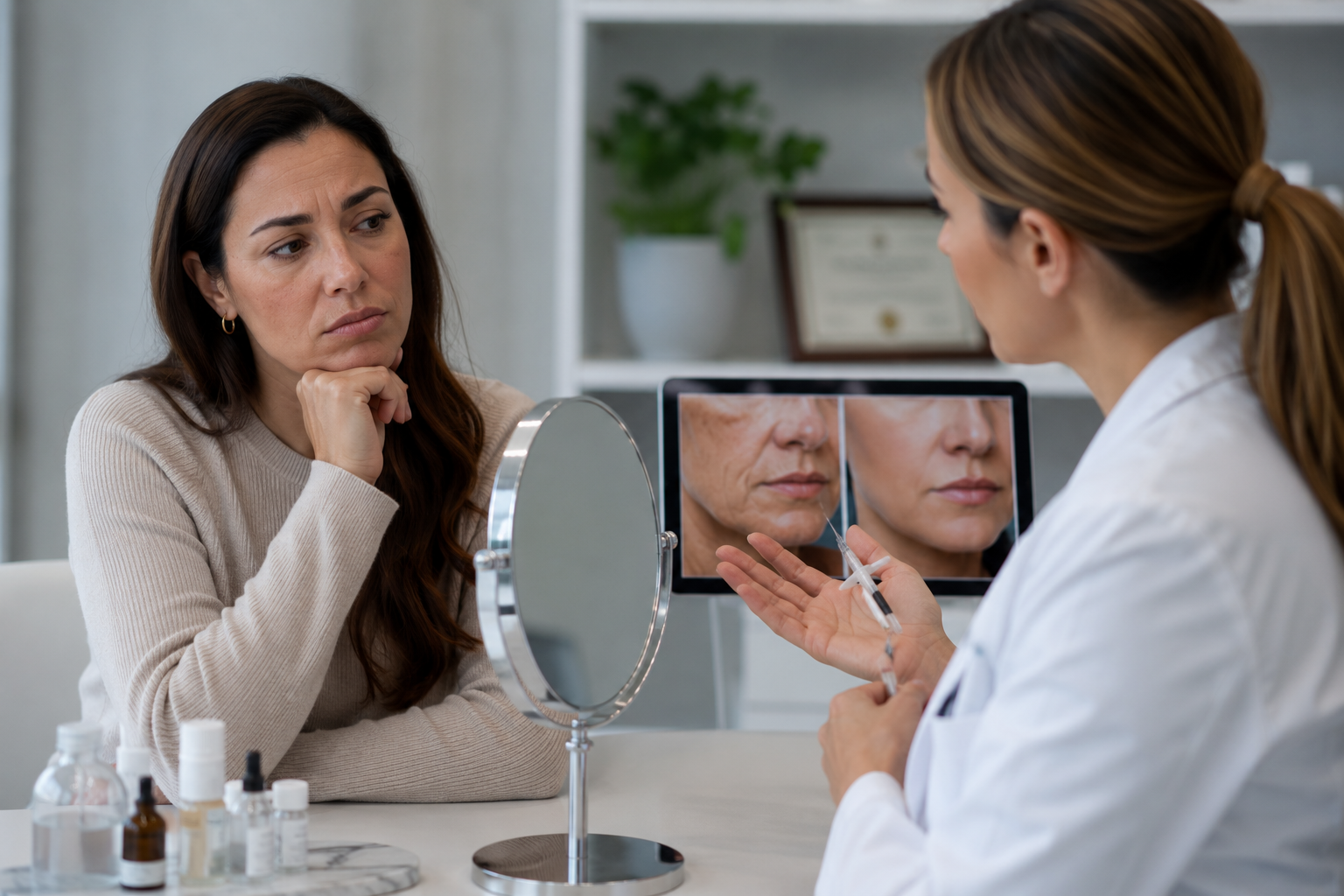
A lot of people walk into their first aesthetic appointment with a very specific request. Maybe it is "fix my lips" or "smooth these lines" or "I saw someone online get this exact filler in their cheeks." The problem is that treating one feature in isolation, without looking at the whole face, often creates results that look slightly off, even when the injector's technique is flawless.
This is where facial aesthetics as a genuine discipline, rather than a single treatment, makes the biggest difference. Updated this July 2026, here is a closer look at why a real assessment matters more than picking a treatment off a menu, and how Scottsdale residents are approaching this differently.
What "Facial Aesthetics" Actually Means
Facial aesthetics is not one specific injectable or procedure. It is the overall approach to how the different features of your face work together, including proportion, symmetry, volume distribution, and the way your skin and underlying structure interact as you move and age. A good facial aesthetic analysis looks at the face as a connected system rather than a checklist of individual complaints.
For example, someone who feels their nose looks too prominent might actually have a chin or jawline that is slightly underprojected, throwing off the balance of the whole profile. Addressing the chin, rather than the nose itself, can sometimes create the exact sense of harmony the person was looking for, without ever touching the feature they originally complained about.
Why This Matters More in Scottsdale
Because so much of the local culture revolves around being outdoors, active, and photographed in bright natural light, small asymmetries or imbalances tend to be more visible here than they might be in dimmer, more indoor focused environments. Sun exposure also accelerates volume loss in certain areas of the face faster than others, which can throw off proportions that used to look balanced.
How a Proper Facial Assessment Works
A thoughtful facial aesthetics consultation usually starts with a conversation about what is actually bothering you, followed by a hands on evaluation of your bone structure, skin quality, muscle movement, and volume distribution. From there, a provider can map out which areas, if any, are contributing to the concern you originally came in with.
This is very different from simply injecting the area you pointed at. A few of the tools commonly used as part of this kind of plan include:
- Dermal fillers to restore or redistribute volume in areas like the cheeks, temples, or jawline
- Neurotoxin injections to soften dynamic lines caused by repeated muscle movement
- Facial balancing techniques that consider the face in thirds and adjust proportion accordingly
- Skin quality treatments, such as microneedling or chemical peels, when texture or tone is part of the picture
You can review the specific injectable options on the facial aesthetic analysis page or explore facial balancing if proportion is your main concern.
Common Concerns This Approach Solves
"I Don't Look Like Myself Anymore"
This is one of the most common things people say after volume loss changes their face gradually over several years. Rather than adding filler wherever there is space, a proportion focused approach restores volume specifically where it has been lost, which tends to create a result that looks like a rested, refreshed version of the same person rather than a different face entirely.
"My Face Looks Tired Even When I'm Not"
Often this comes down to a combination of volume loss around the under eye and cheek area combined with dynamic lines from years of expression. A layered plan addressing both the structural support and the muscle movement usually gets closer to solving this than either treatment alone.
"Everything Looks Fine Individually, But Something Feels Off"
This is the classic sign that the issue is about proportion and balance rather than any single feature. It is also the hardest concern to solve without a proper assessment, since it usually is not obvious which feature is actually driving the imbalance.
What a Realistic Treatment Timeline Looks Like
Facial aesthetics is rarely a single appointment fix, especially when multiple areas are involved. A common approach looks something like this:
- Initial consultation and facial assessment
- A first round of treatment focused on the most impactful area, often filler or neurotoxin
- A follow up visit several weeks later to assess results and adjust the plan
- Ongoing maintenance scheduled around how your specific treatments settle and fade over time
This staged approach avoids overcorrecting in one visit and allows your provider to see how your face responds before adding anything else.
Choosing Someone Who Assesses Before They Inject
The single biggest factor in whether facial aesthetic treatments look natural is whether the provider took the time to actually assess your face before recommending anything. If your first appointment jumps straight to "let's do lips" without any discussion of your overall facial structure, that is a sign the plan is not built around you specifically.
Frequently Asked Questions
What is the difference between facial aesthetics and just getting Botox or filler? Facial aesthetics refers to the overall approach of evaluating your whole face before recommending treatment, while Botox and filler are two of the individual tools that might be used as part of that plan.
Do I need multiple appointments to see results? It depends on your goals. Some people see meaningful change from a single visit, while others benefit from a staged plan spread across a few appointments to fine tune results.
Will this make my face look different, or just more balanced? The goal of a proper facial aesthetics plan is balance and proportion, not a dramatically different appearance. Most people say the result looks like a more refreshed version of themselves.
How do I know if I need volume restoration or muscle relaxing treatment? This is exactly what a facial assessment is for. Volume loss and dynamic wrinkles look different and are addressed with different tools, which is why an in person evaluation matters.
How often should I revisit my facial aesthetics plan? Most people check in every few months to a year, since volume and skin quality change gradually over time and a plan that worked last year may need small adjustments now.
Ready for a Plan That Actually Fits Your Face?
If you have tried a treatment before and felt like something was slightly off, or you are simply tired of guessing which area actually needs attention, a real facial aesthetic analysis is the more reliable starting point. You can learn more about the approach used at Source of Health or go ahead and book a consultation to get a personalized plan built around your actual face.