

.png)
Why Does My Chronic Pain Keep Coming Back?
A Deeper Look at Sound Wave Treatment and Long Term Relief in Scottsdale
Updated April 2026
Chronic pain has a frustrating way of disappearing for a while, only to return at the worst possible moment. You stretch, ice, rest, take medication, maybe even go to physical therapy. Things improve. Then weeks or months later, the pain creeps back in.
If you have asked yourself, “Why does this keep happening?” you are not alone. Many people in Scottsdale struggle with recurring back pain, shoulder injuries, joint discomfort, and lingering soft tissue problems that never seem to fully resolve.
Understanding why chronic pain returns is the first step toward lasting relief. Emerging options like Sound Wave Treatment are changing how providers approach long standing pain, especially for patients seeking alternative pain therapy options beyond medications and temporary fixes.
Let’s break down what may really be happening beneath the surface.
What Causes Chronic Pain That Won’t Go Away?
Chronic pain is not simply “pain that lasts a long time.” It is often the result of deeper structural or cellular changes in the body that never fully heal.
1. Incomplete Tissue Healing
When you injure a tendon, ligament, or muscle, your body forms scar tissue as part of the repair process. Scar tissue is not as flexible or strong as healthy tissue. Over time, it can restrict movement, limit blood flow, and create areas of weakness.
If the original injury did not fully regenerate healthy tissue, the area remains vulnerable. That vulnerability is one of the main reasons pain returns.
2. Poor Circulation to Injured Areas
Certain tissues, especially tendons and ligaments, have limited blood supply. Without adequate circulation, healing slows dramatically. The body struggles to deliver oxygen, nutrients, and growth factors to complete the repair process.
This is common in chronic plantar fasciitis, tennis elbow, rotator cuff pain, and persistent knee discomfort.
3. Repetitive Strain and Lifestyle Patterns
In Scottsdale, active lifestyles are common. Golf, hiking, pickleball, cycling, and strength training are part of daily life. While movement is healthy, repetitive motion can re aggravate partially healed tissues.
Even daily posture habits, like prolonged sitting or improper lifting mechanics, can trigger recurring pain patterns.
4. Nervous System Sensitization
When pain persists for months, the nervous system can become hypersensitive. This means your body begins to interpret even minor stimuli as painful. Over time, the pain response becomes amplified, even when structural damage is minimal.
This is why some people feel stuck in a cycle of flare ups without obvious new injury.
Why Do Traditional Pain Treatments Sometimes Fail?
Many conventional approaches focus on managing symptoms rather than correcting the underlying issue.
Medication Based Relief
Pain relievers and anti-inflammatory medications reduce discomfort temporarily. However, they do not regenerate damaged tissue or restore circulation. Once the medication wears off, the structural issue remains.
Cortisone Injections
Steroid injections can calm inflammation quickly. In some cases, they provide significant short term relief. But repeated use may weaken tissue over time and does not stimulate true healing.
Rest Alone
Rest is essential in the early stages of injury. However, prolonged inactivity can lead to muscle weakness and stiffness, which often worsens chronic pain long term.
Physical Therapy Without Regeneration
Physical therapy is highly valuable, but if underlying tissue damage is significant, strengthening exercises alone may not be enough to fully restore the area.
For patients seeking longer lasting improvement, providers may recommend regenerative or alternative pain therapy approaches that aim to stimulate the body’s natural healing response rather than simply mask discomfort.
Can Sound Wave Treatment Help Chronic Pain?
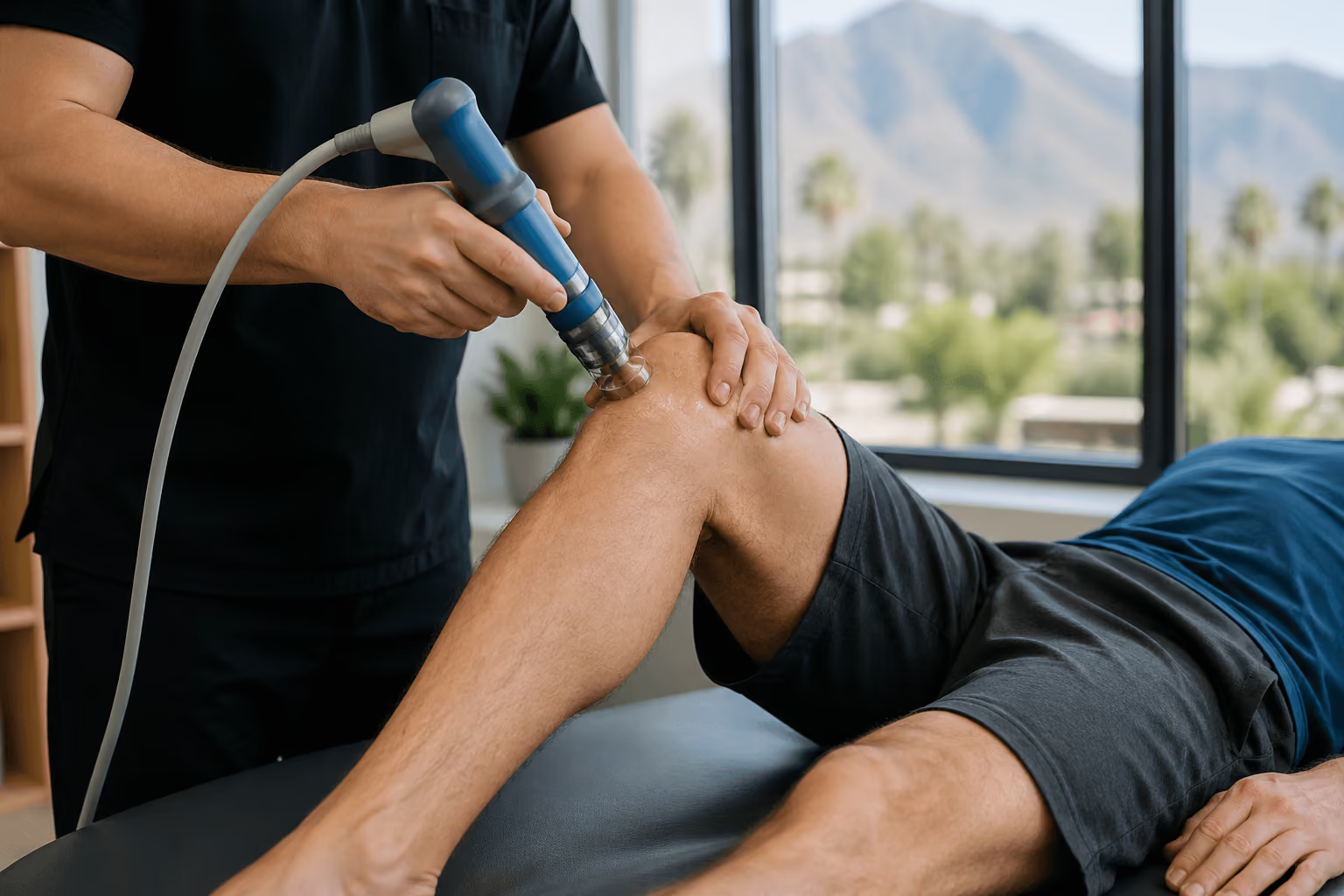
Sound Wave Treatment, often referred to as acoustic wave therapy or shockwave therapy, is designed to activate the body’s natural repair mechanisms.
Rather than suppressing pain signals, this therapy works at the cellular level.
How It Works
Sound waves are delivered through a handheld device directly to the affected area. These high energy pulses:
- Increase blood flow to the injured tissue
- Stimulate cellular regeneration
- Break down calcified or fibrotic tissue
- Trigger the release of growth factors
- Encourage collagen production
In simple terms, it “wakes up” dormant or poorly healing tissue and encourages it to repair properly.
Why It Appeals to Chronic Pain Patients
For individuals seeking chronic pain relief Scottsdale options beyond medications, Sound Wave Treatment offers several advantages:
- Non surgical
- Drug free
- No significant downtime
- Short treatment sessions
- Designed to promote long term improvement
It is commonly used for:
- Shoulder pain
- Knee pain
- Hip pain
- Plantar fasciitis
- Tendon injuries
- Lower back discomfort
While not every patient is a candidate, many individuals with lingering musculoskeletal pain may benefit from an evaluation to determine if this approach fits their condition.
How Many Sessions Are Needed for Pain Relief?
One of the most common questions patients ask is how quickly they will see results.
The answer depends on several factors:
- Severity of tissue damage
- Duration of symptoms
- Overall health and circulation
- Activity level
Typical Treatment Plan
Most patients undergo a series of sessions spaced one to two weeks apart. Many protocols include:
- 3 to 6 sessions
- Each session lasting approximately 15 to 30 minutes
Some individuals report improvement after the first session, while others notice gradual changes over several weeks as tissue regeneration progresses.
Because Sound Wave Treatment stimulates healing rather than masking pain, results may continue to improve even after sessions are completed.
What Does It Feel Like?
Patients often describe the sensation as a series of rapid pulses or tapping sensations. Intensity can be adjusted for comfort. Mild soreness after treatment is possible, which typically resolves within a day or two.
Where Can You Get Chronic Pain Treatment in Scottsdale, AZ?
If you are searching for chronic pain relief Scottsdale solutions, it is important to choose a provider who offers a comprehensive evaluation rather than a one size fits all plan.
Scottsdale has become a hub for innovative wellness and regenerative therapies. Patients seeking alternative pain therapy options should look for clinics that:
- Conduct thorough assessments
- Identify root causes of pain
- Offer evidence based regenerative treatments
- Personalize care plans
A consultation allows a provider to determine whether Sound Wave Treatment is appropriate for your specific condition or whether another therapeutic approach may be better suited.
The key is not just treating pain, but identifying why it keeps returning and addressing that root issue directly.
Frequently Asked Questions
Is Sound Wave Treatment safe for chronic pain?
Yes, when performed by a trained provider, Sound Wave Treatment is considered safe and non invasive. It has been widely studied for musculoskeletal conditions and is commonly used as an alternative pain therapy for tendon and joint issues.
How soon will I notice results for chronic pain relief in Scottsdale?
Some patients experience relief within the first few sessions, while others notice gradual improvement over several weeks. Because the therapy stimulates tissue regeneration, healing continues even after treatment sessions are complete.
Is this treatment covered by insurance?
Coverage varies depending on your provider and plan. Many regenerative therapies are considered elective or alternative treatments. It is best to verify coverage directly with your insurance carrier.
Can Sound Wave Treatment replace surgery?
In some cases, it may reduce the need for surgical intervention by improving tissue healing. However, it is not a substitute for surgery in severe structural damage cases. A professional evaluation is necessary to determine candidacy.
Who is a good candidate for alternative pain therapy in Scottsdale?
Individuals with chronic tendon, ligament, or soft tissue pain that has not responded well to traditional treatments may benefit. Active adults, athletes, and patients seeking non surgical options often explore this therapy.
Is there downtime after treatment?
There is minimal downtime. Most patients return to normal daily activities immediately, though intense activity may be limited briefly depending on the treated area.
Breaking the Pain Cycle for Good
Living with recurring pain can feel discouraging, especially when treatments seem to provide only temporary relief. But pain that keeps coming back usually has a reason. When you address the underlying tissue health rather than just the symptoms, the conversation changes.
For those in Scottsdale exploring non surgical options, regenerative approaches like Sound Wave Treatment offer a promising path toward lasting improvement. Instead of masking discomfort, the focus shifts to stimulating true healing.
Chronic pain does not have to define your lifestyle. With the right evaluation and a thoughtful treatment strategy, it may be possible to move forward with more strength, mobility, and confidence than you have felt in years.